How does the roast level affect flavour?
Light, medium or dark: what happens to nuts during roasting, and how we achieve the same flavour in every batch at our facility.
From Our Facility 3 min read
The same hazelnut tastes completely different depending on how long it is roasted. A lightly roasted hazelnut is sweet and mellow; a darker roast has a deep, pronounced aroma. Roasting is one of the most important steps in shaping the flavour of nuts, and it takes both science and experience.
What happens during roasting?
When nuts meet heat, their moisture content begins to fall. This is what makes them lose their hardness and gain that sought-after crunch. At the same time, a series of chemical changes known as the Maillard reaction takes place at the surface between sugars and proteins. It is this reaction that gives bread crust, coffee and roasted nuts their characteristic colour and aroma.
As the temperature rises and the time lengthens, the colour darkens and the aroma intensifies. Beyond a certain point, however, the sweet, toasty notes give way to bitterness. The aim of good roasting is to stop at the most balanced point without getting close to that line.
Light, medium and dark roasts
- Light roast: the nut’s own flavour comes first. The colour stays pale and the aroma is gentle — ideal for those who like a natural taste.
- Medium roast: a balance between crunch and aroma. This is the preferred level for most snacking nuts.
- Dark roast: a more intense, pronounced roasted flavour. Without careful control, the risk of bitterness increases.
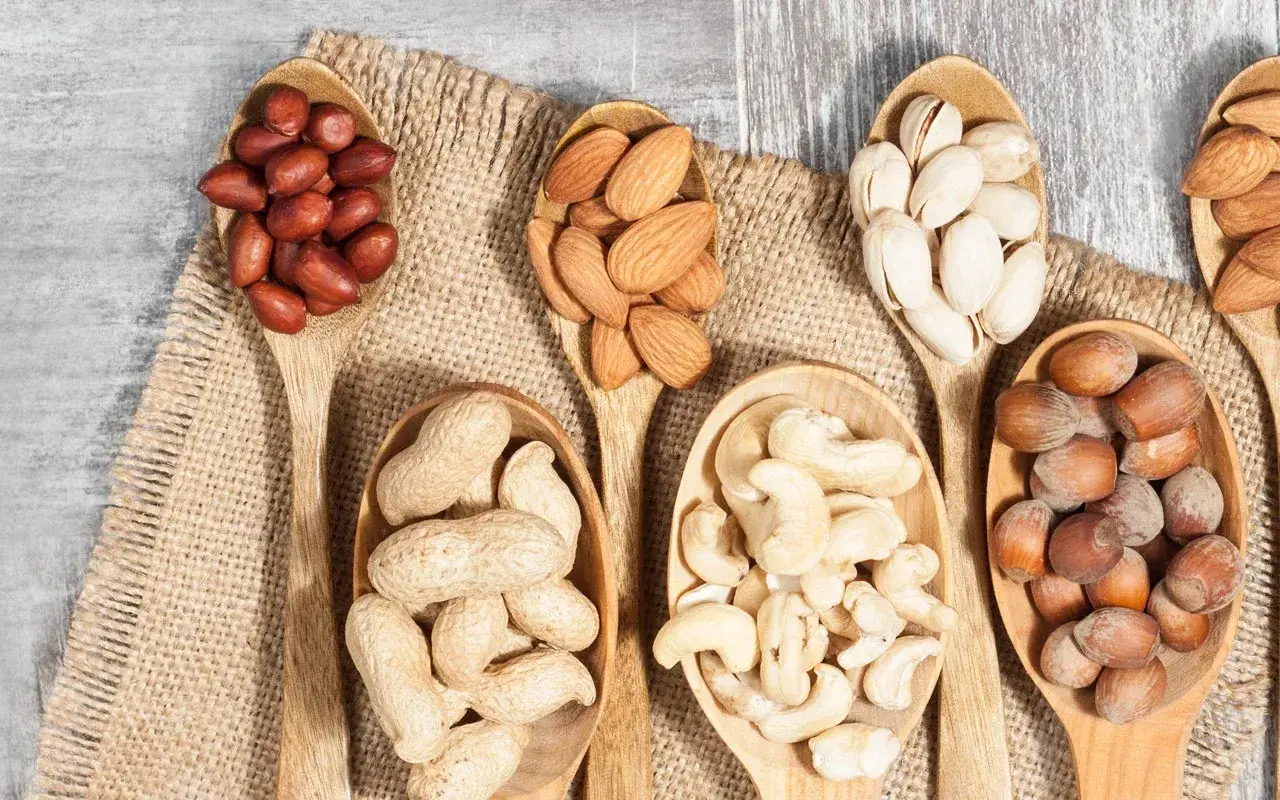
Every nut has its own ideal roast. In hazelnuts, roasting loosens the thin skin and brings out the aroma. In almonds, over-roasting can mask their characteristic sweetness. Small seeds such as sunflower and pumpkin seeds react to heat very quickly, so they need a shorter, more delicate roast.
Roasting at the facility: the same flavour in every batch
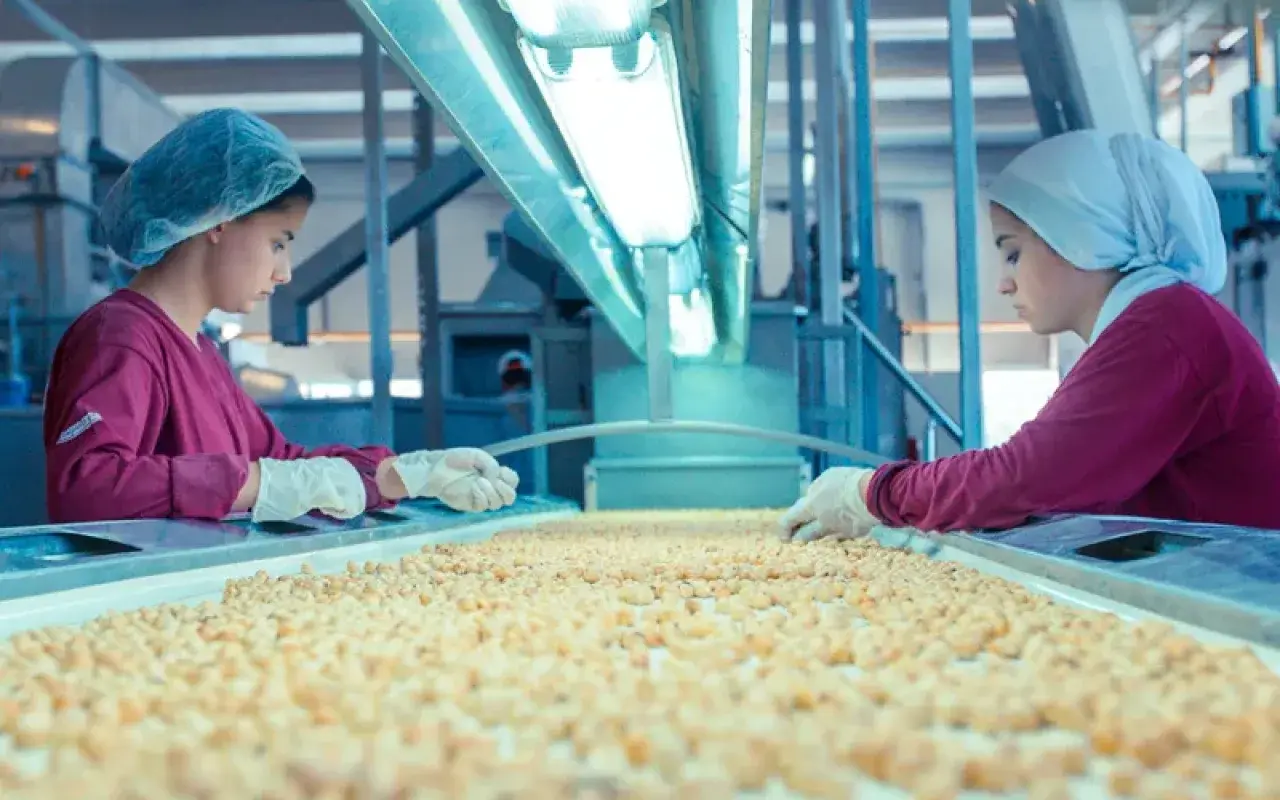
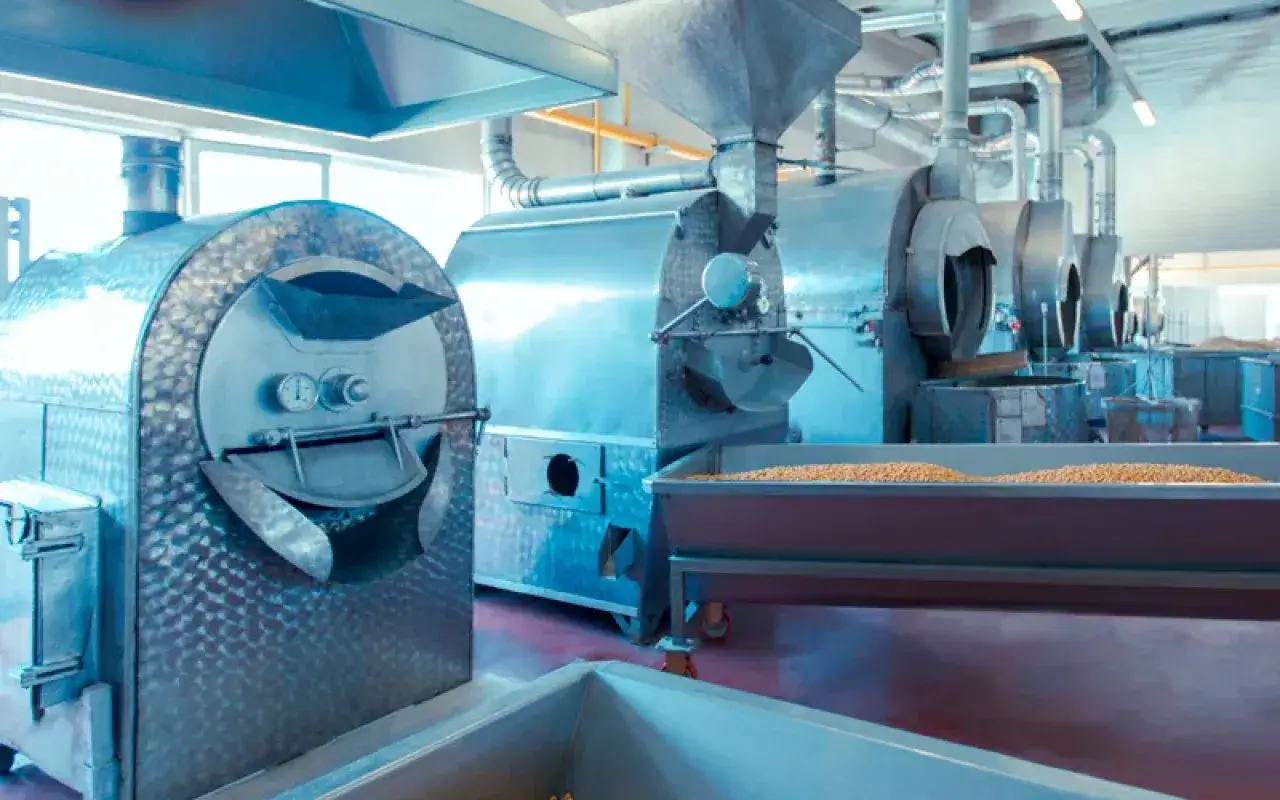
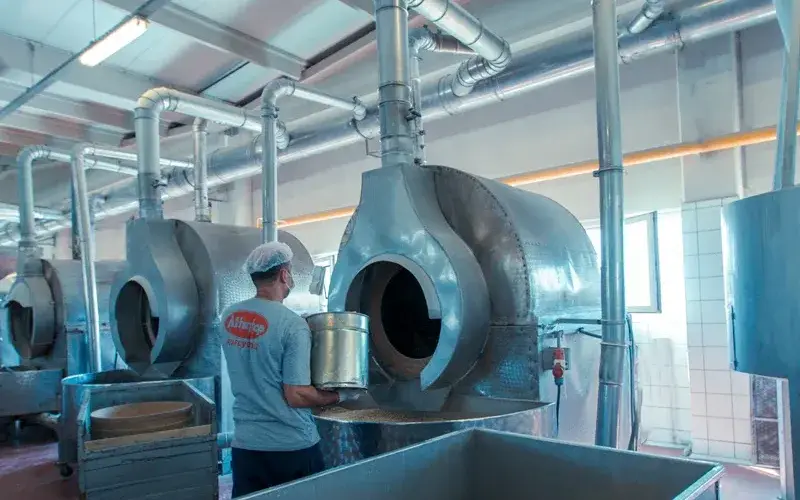
Roasting a pan of nuts at home is very different from roasting tonnes of product every day to the same standard. Our facility in Gümüşler has a roasting capacity of 50 tonnes a day. Production is planned according to the flow of orders, and raw materials are prepared in the roasting ovens and other units according to the type of product.
What matters here is consistency. The moisture content and size of the raw material can vary slightly from batch to batch, so roasting temperature and time are adjusted to match. Once roasting is complete, cooling the product quickly is just as important as the roasting itself — otherwise it keeps cooking in its own heat and overshoots the target.
Choose to suit your taste
There is no right or wrong roast level; it is entirely a matter of taste. Those who enjoy the natural flavour of nuts tend towards lighter roasts, while those who like an intense aroma prefer darker ones. Next time you reach for a snack, pay a little more attention to the colour and smell of the nuts, and you will soon discover which roast suits you best.