The story of leblebi: from chickpea to a crunchy tradition
From patiently roasted chickpeas to one of Anatolia’s favourite snacks: how leblebi is made, its types, and its place in our story.
Taste Guide 3 min read
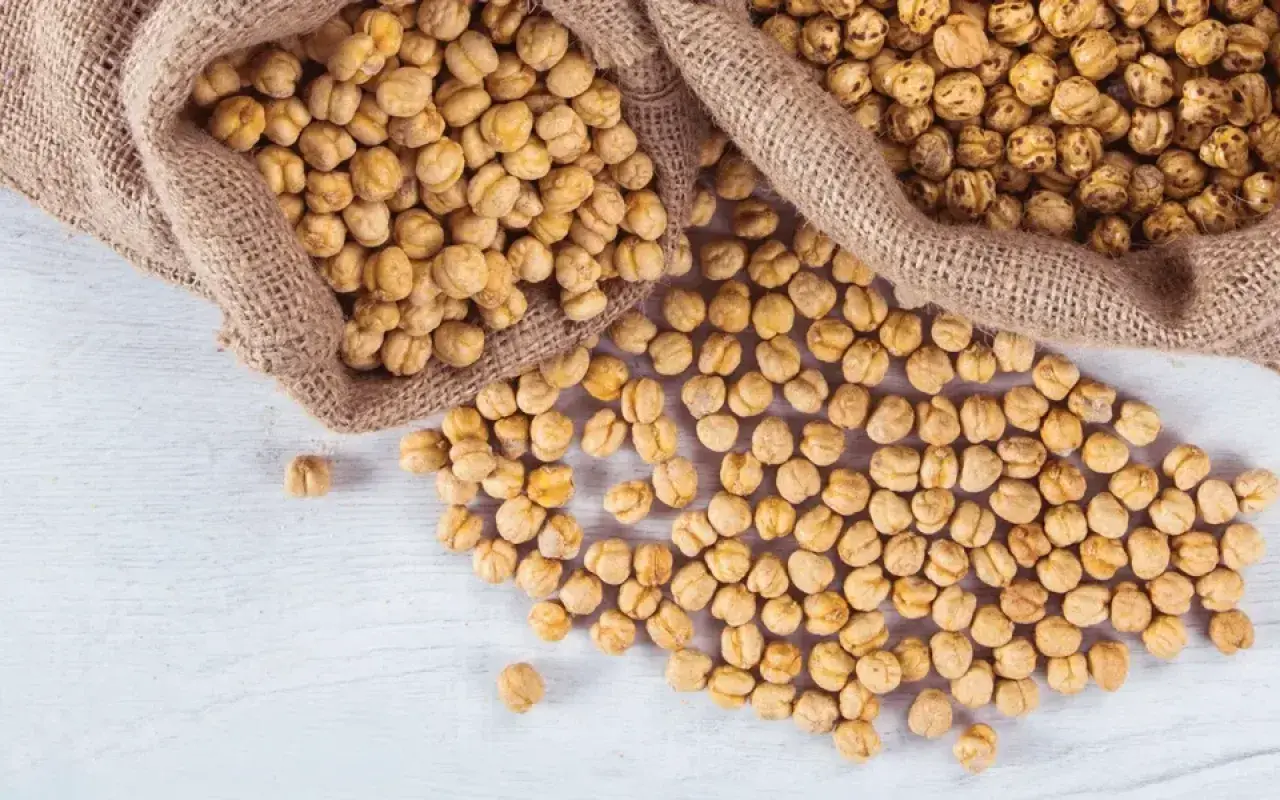
Leblebi — roasted chickpeas — is one of the first snacks that comes to mind in Türkiye. Behind its plain appearance lies a production process that takes patience and a tradition that goes back centuries. For us, leblebi has a special place: the Altıntop story began in the mid-1960s in a small leblebi shop in Kaleiçi, Denizli.
From chickpea to leblebi
Leblebi is made by moistening chickpeas, letting them rest and roasting them in several stages. The chickpeas are first cleaned and sorted by size. They are then moistened and left to rest, roasted, rested again and roasted once more. Moving back and forth between roasting and resting lets the moisture inside the chickpea escape evenly. The result is that familiar texture that crumbles easily between your teeth.
The process cannot be rushed. If the heat is too high, the outside burns while the inside stays hard; if the resting time is too short, the texture never becomes light enough. The craft lies in finding that balance again with every batch.
An Anatolian tradition
Leblebi is made in many parts of Anatolia, and the city of Çorum is particularly known for its long tradition. Next to a glass of tea in the coffeehouse, in a pocket on a journey, in the nut bowl offered to guests — leblebi has always found its place. Because it keeps well, it has long been a practical and affordable snack. In some regions, ground leblebi is also used in desserts and pastries.
Types of leblebi
The same chickpea can become very different snacks depending on how it is processed. The main types, which are also part of our range, are:
- Yellow leblebi: the classic, with its golden colour. The salted version is one of the most popular.
- White leblebi: known for its pale colour and lighter texture that melts in the mouth.
- Crunchy leblebi: has a crisper texture and is a favourite snack.
- Sugar-coated leblebi: leblebi in a colourful sugar coating — a must for children and holiday tables.
The taste of fresh leblebi
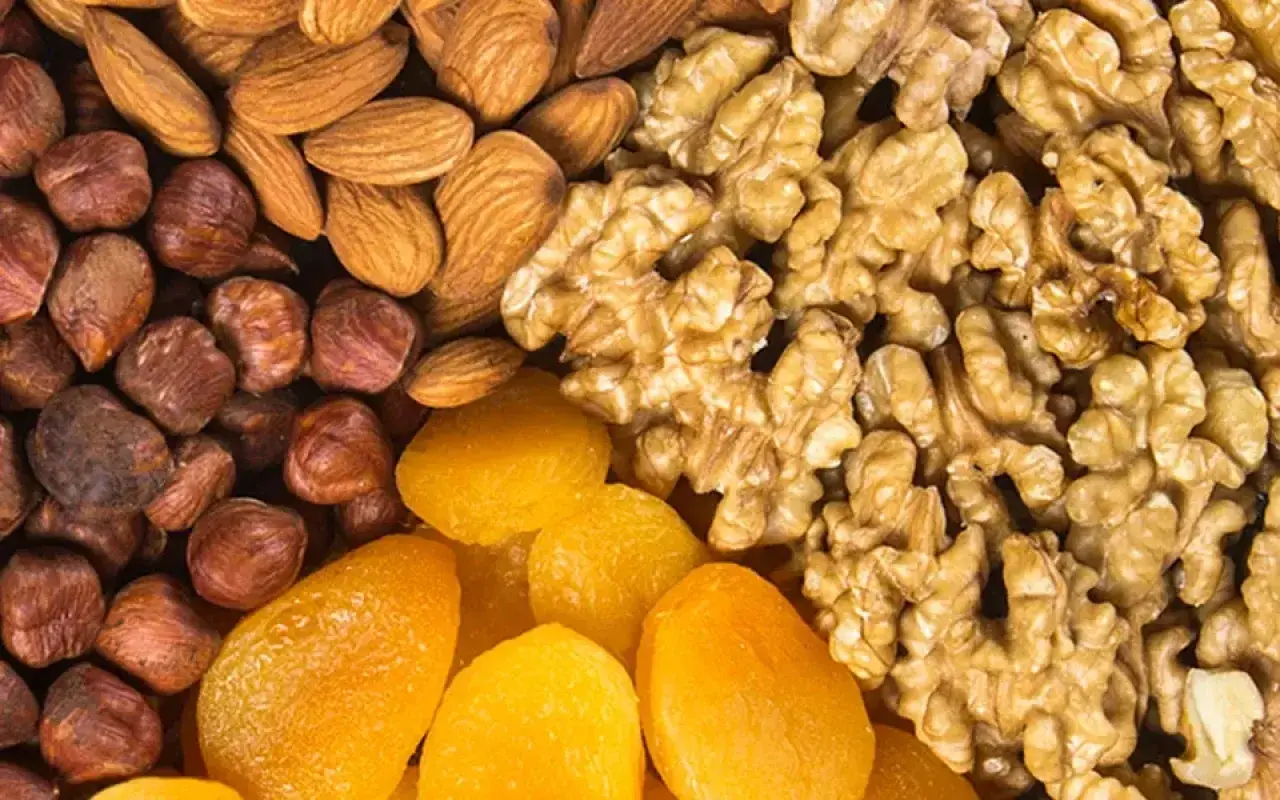
Good leblebi crumbles like flour when you bite into it, yet never turns pasty in the mouth; it smells faintly of toasted chickpea. Because leblebi is sensitive to moisture, keeping an opened pack in a container with a tight lid is the easiest way to preserve its crunch. It is lovely on its own, and mixed with raisins or hazelnuts it makes a fine serving platter.
From Kaleiçi to today
Leblebi was at the heart of the business from the very beginning of our founder Veli Tefenlili’s working life, which started in 1962. In 1966–1967, leblebi went on sale in the shop in Kaleiçi. In 1970 his sons İbrahim, Ramazan and Hakkı Tefenlili joined the business, and in 1976 the family took its first step from leblebi production into the nut trade with a retail shop.
Today we roast many products at our facility in Gümüşler, from sunflower seeds to pistachios. But leblebi is still where our story began. When you reach for a handful, you are tasting a craft that has been carried on with patience.